Overview: Whole-Home Generator Installation & Backup Power Considerations in Greater Bangor
Maine consistently experiences severe winter Nor'easters, heavy ice accumulations, sub-zero blizzards, and coastal windstorms that cause extended power outages lasting days or even weeks. In Greater Bangor, a prolonged winter power failure is not merely inconvenient, it threatens residential heating systems, causes frozen pipes to burst, disables sump pumps leading to basement flooding, and compromises refrigerated medical supplies. Installing a professionally engineered whole-home standby generator with an Automatic Transfer Switch (ATS) ensures seamless, automated emergency power.
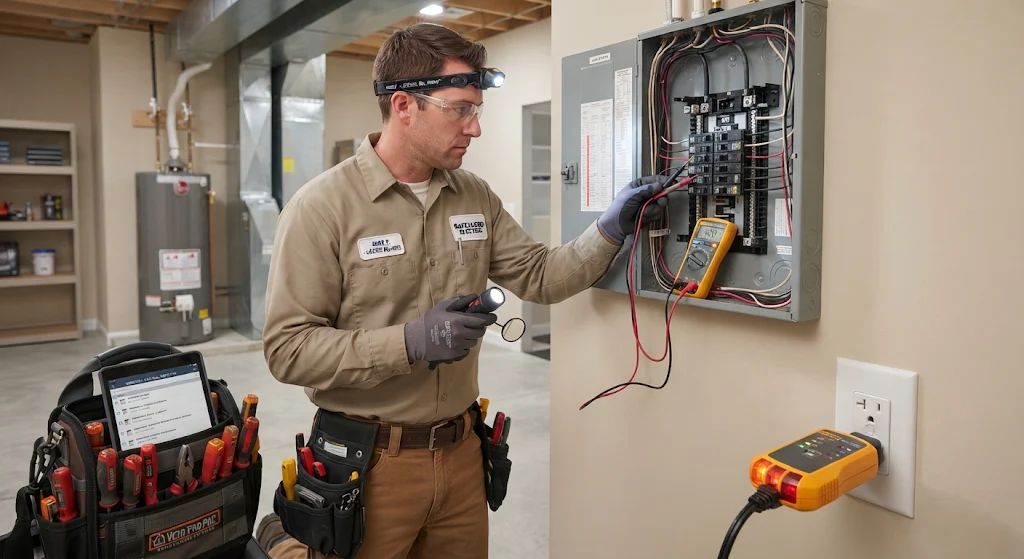
Whether addressing immediate emergency safety hazards or planning strategic long-term facility upgrades, residential and commercial clients across Greater Bangor benefit from engaging independent electricians who possess rigorous diagnostic equipment and state licensing credentials.
In Greater Bangor, local architectural characteristics play an influential role in how electrical systems operate. Penobscot County experiences deeper sub-zero winter temperatures than coastal Maine, creating high peak winter electrical heating loads. Electrical services in Bangor must withstand heavy ice buildup on overhead service masts and utility drops, requiring rigid 2-inch galvanized steel conduit masts securely guy-wired to roof rafters.
Automatic Standby Generators vs. Portable Generators
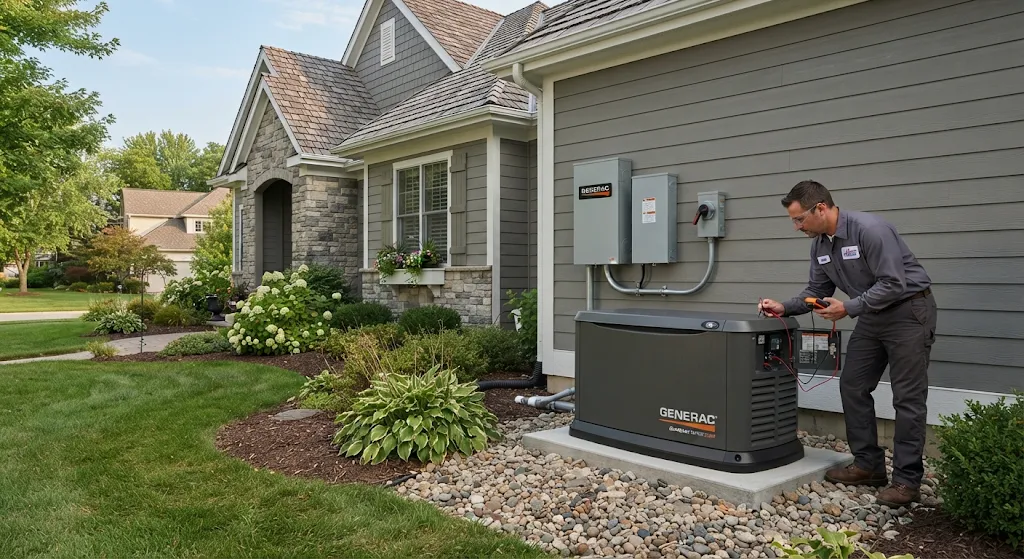
While portable gasoline generators provide limited temporary power, they require manual fueling in freezing storm conditions, produce dangerous carbon monoxide exhaust risks, and require extension cords run through open doorways. By contrast, a permanent standby generator installed in Greater Bangor connects directly to your home's liquid propane (LP) or natural gas supply. Housed inside an all-weather, sound-attenuated outdoor enclosure, it monitors utility power 24/7 and automatically restores electrical service within 10 to 20 seconds of an outage.
Automatic Transfer Switch (ATS) Engineering & Sizing in Greater Bangor
The Automatic Transfer Switch is the intelligence hub of any standby power installation. Serving as an isolated bridge between utility power and generator output, the ATS mechanically prevents dangerous 'backfeeding' into utility power lines, a deadly hazard for lineworkers. Contractors in Greater Bangor calculate peak starting wattages (LRA - Locked Rotor Amps) for central heat pumps, well pumps, and refrigeration units, sizing the generator (typically 14kW to 26kW) and ATS to handle whole-home or critical-circuit demand.
Maine Siting, Fuel Plumbing & Municipal Clearances
Installing a standby generator in Greater Bangor requires strict compliance with NFPA 37 clearances and local municipal setback ordinances. Generators must be positioned on a stable gravel or composite pad at least 5 feet from operable windows, doors, and exterior wall openings to prevent exhaust gas intrusion. Licensed electricians coordinate electrical connections with licensed gas technicians who run properly sized fuel supply piping from propane tanks or natural gas meters.
Local Building Context & Permitting Oversight in Greater Bangor
All electrical trade operations within Greater Bangor are subject to the technical mandates of the National Electrical Code (NFPA 70) and oversight by the Maine Electricians' Examining Board alongside local municipal inspectors. Contractors pulling permits for Generator Installation work in Greater Bangor must ensure appropriate conductor sizing, continuous load derating factors, proper overcurrent protection device coordination, and comprehensive system grounding.
Furthermore, local utility coordination is critical. Electricians serving Greater Bangor routinely interface with regional electric utilities (such as Central Maine Power or Versant Power) to coordinate overhead drop disconnections, meter socket seals, cold-sequence disconnects, and underground service laterals. Adhering strictly to utility rules prevents dangerous delays and ensures that installations pass municipal inspection on the first visit.
Why Professional Electrical Referral Matters in Greater Bangor
WATT911 serves as an independent connection platform designed to streamline your search for qualified local electrical professionals. We connect you with independent local electrical contractors who maintain current commercial insurance, proper Maine Master or Journeyman licensing credentials, and established trade experience in Greater Bangor. All pricing, estimates, dispatch fees, and warranty protections are handled transparently between you and your contractor, ensuring clear expectations from project start to final sign-off.