Overview: Whole-Home Electrical Wiring & Rewiring Considerations in Downeast Maine
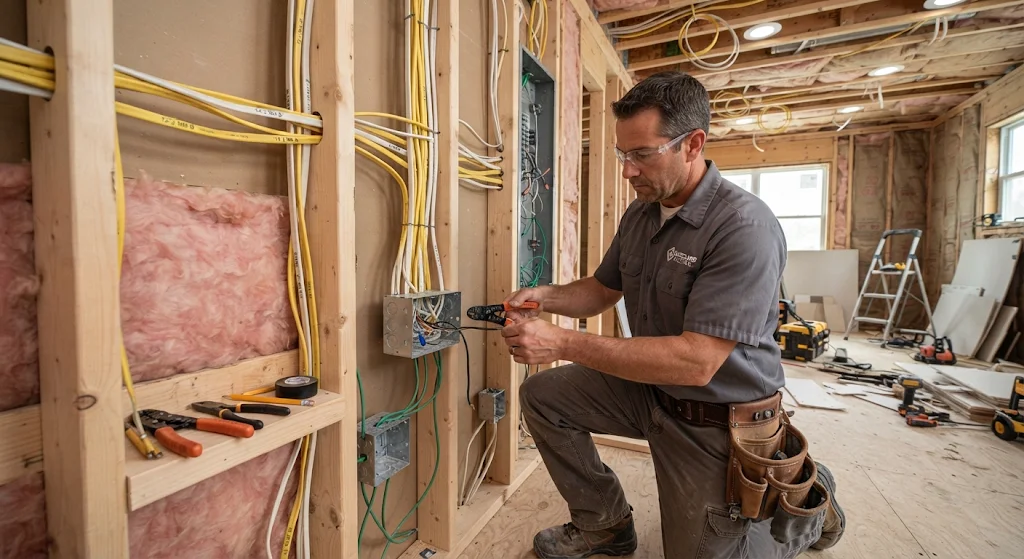
A significant portion of residential architecture in Downeast Maine consists of homes built before 1960, featuring aging electrical wiring systems that were never engineered for today's intense consumer electronics and high-wattage kitchen appliances. Degraded cloth-sheathed Romex, ungrounded conductors, deteriorated rubber insulation, and hazardous knob-and-tube wiring concealed within historic framing present ongoing fire and shock risks. Comprehensive rewiring replaces compromised conductors with modern NM-B non-metallic sheathed cable featuring dedicated equipment grounding conductors.
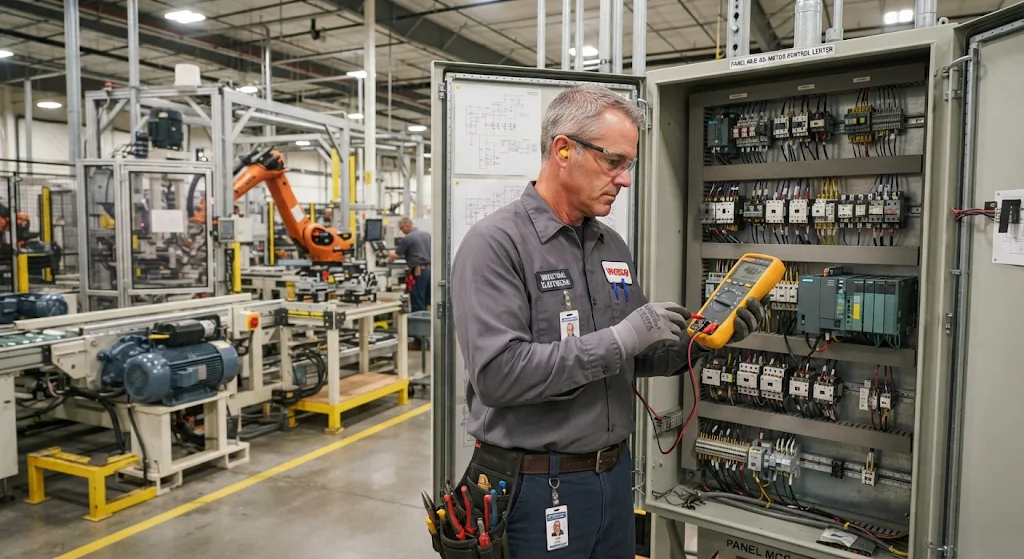
Whether addressing immediate emergency safety hazards or planning strategic long-term facility upgrades, residential and commercial clients across Downeast Maine benefit from engaging independent electricians who possess rigorous diagnostic equipment and state licensing credentials.
In Downeast Maine, local architectural characteristics play an influential role in how electrical systems operate. Downeast coastline properties from Bar Harbor and Mount Desert Island out to Machias feature rugged rocky granite terrain. Grounding electrical services in shallow granite bedrock requires installing specialized horizontal electrolytic ground grids, chemical ground rods, or extensive copper ground plates encased in conductive concrete to satisfy the required 25-ohm ground resistance threshold.
Knob-and-Tube Hazards & Thermal Insulation Risks in Downeast Maine
Knob-and-tube wiring was installed throughout Downeast Maine residences through the 1930s. This wiring method utilizes individual hot and neutral conductors supported by porcelain knobs and ceramic tubes passing through wooden joists. Knob-and-tube lacks a safety ground conductor, operates with open-air wire splices, and utilizes brittle varnished cloth insulation. Critically, when modern blown-in cellulose or fiberglass insulation is added to attics and exterior walls, knob-and-tube conductors cannot dissipate heat properly, creating an extreme combustion hazard that causes many Maine insurers to deny coverage.
Surgical Rewiring Techniques for Historic Downeast Maine Residences
Rewiring a historic home in Downeast Maine requires craftsmanship and respect for architectural integrity. Experienced independent electricians utilize specialized fishing tools, flexible fiberglass glow rods, and compact boroscopes to navigate interior wall cavities and ceiling joists without destroying plaster and lath finishes. Modern non-metallic sheathed cable (Romex 14/2, 12/2, and 10/3) is routed cleanly from attic spaces, crawlspaces, and basement conduits directly into newly installed old-work cut-in boxes.
Dedicated Branch Circuits for High-Demand Modern Living
Modern residential electrical codes dictate specific dedicated circuits to prevent dangerous overloads. A whole-home rewiring project in Downeast Maine installs two or more 20-amp small appliance branch circuits for kitchens, a dedicated 20-amp bathroom circuit, a separate laundry circuit, and independent circuits for refrigerators, microwaves, dishwashers, and heating systems. Each circuit is balanced across both electrical legs in the main distribution panel.
Local Building Context & Permitting Oversight in Downeast Maine
All electrical trade operations within Downeast Maine are subject to the technical mandates of the National Electrical Code (NFPA 70) and oversight by the Maine Electricians' Examining Board alongside local municipal inspectors. Contractors pulling permits for Electrical Wiring work in Downeast Maine must ensure appropriate conductor sizing, continuous load derating factors, proper overcurrent protection device coordination, and comprehensive system grounding.
Furthermore, local utility coordination is critical. Electricians serving Downeast Maine routinely interface with regional electric utilities (such as Central Maine Power or Versant Power) to coordinate overhead drop disconnections, meter socket seals, cold-sequence disconnects, and underground service laterals. Adhering strictly to utility rules prevents dangerous delays and ensures that installations pass municipal inspection on the first visit.
Why Professional Electrical Referral Matters in Downeast Maine
WATT911 serves as an independent connection platform designed to streamline your search for qualified local electrical professionals. We connect you with independent local electrical contractors who maintain current commercial insurance, proper Maine Master or Journeyman licensing credentials, and established trade experience in Downeast Maine. All pricing, estimates, dispatch fees, and warranty protections are handled transparently between you and your contractor, ensuring clear expectations from project start to final sign-off.