Overview: Architectural, Interior & Exterior Lighting Solutions Considerations in Midcoast Maine
Properly engineered lighting transforms residential living spaces and enhances workplace productivity, architectural aesthetics, security, and energy efficiency. Many older properties in Midcoast Maine suffer from inadequate lighting layout, harsh shadowing, inefficient incandescent or fluorescent fixtures, and under-illuminated exteriors. Modern LED architectural lighting, low-profile recessed canless wafers, accent pendant lighting, and coastal-grade dark-sky compliant exterior fixtures deliver exceptional lumen output with up to 85% energy savings.
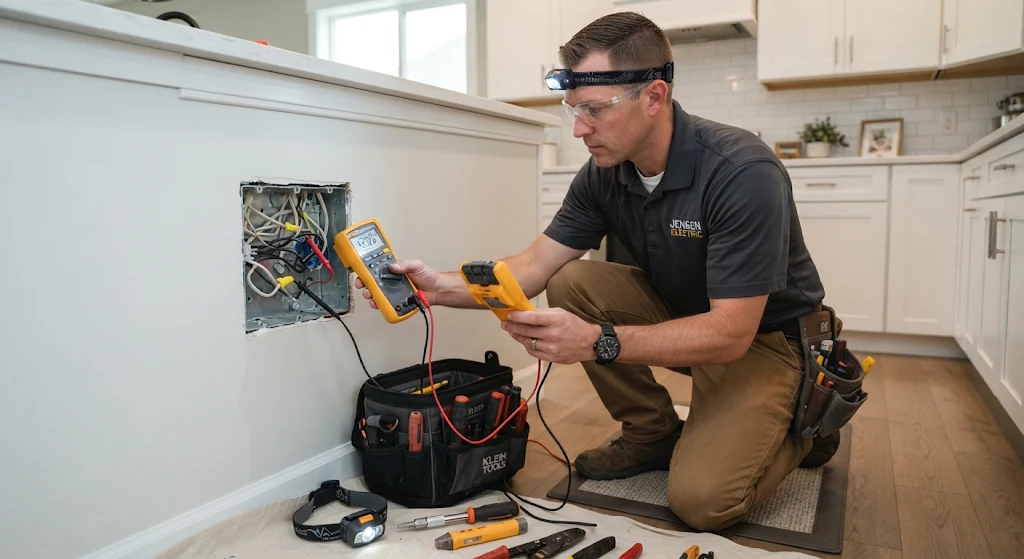
Whether addressing immediate emergency safety hazards or planning strategic long-term facility upgrades, residential and commercial clients across Midcoast Maine benefit from engaging independent electricians who possess rigorous diagnostic equipment and state licensing credentials.
In Midcoast Maine, local architectural characteristics play an influential role in how electrical systems operate. Midcoast Maine balances Bowdoin historic district preservation guidelines with advanced technical infrastructure at Brunswick Landing. Coastal exposures in Harpswell, Bailey Island, and Phippsburg require NEMA 4X stainless steel or non-metallic exterior disconnects to prevent salt-air galvanic corrosion on electrical terminals.
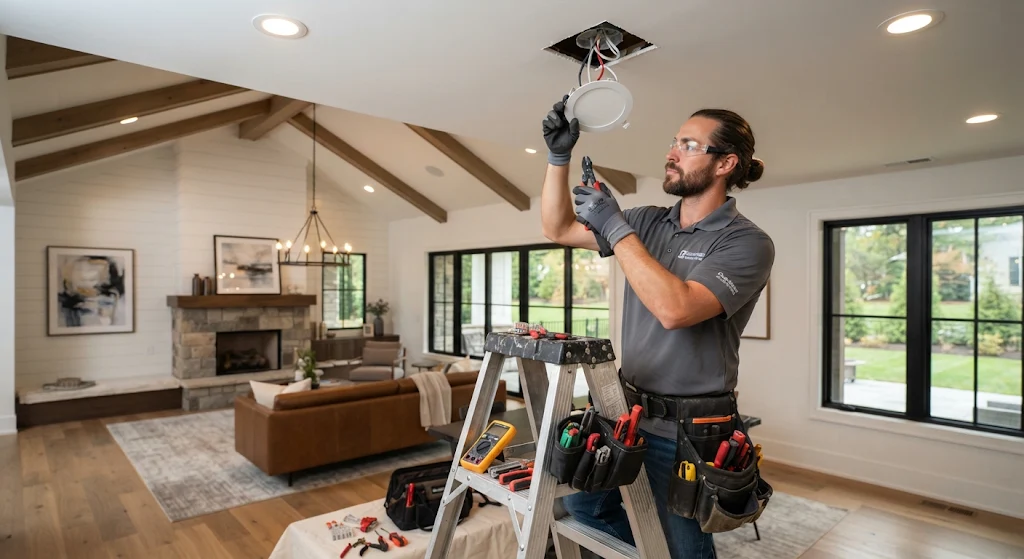
Modern Canless LED Recessed Downlighting in Midcoast Maine
Traditional recessed lighting 'cans' require large ceiling clearances and create significant thermal bridging that leaks heat into cold Maine attics. Modern canless LED wafer downlights installed in Midcoast Maine feature ultra-thin junction boxes, airtight IC-rated (Insulation Contact) housings, and selectable color temperatures (2700K warm white to 5000K daylight). Technicians position downlights using photometric beam spread calculations to eliminate dark corners in kitchens, living rooms, and office suites.
Coastal Marine Exposure & Corrosion-Resistant Exterior Fixtures
Exterior lighting in Midcoast Maine and coastal Maine regions faces severe atmospheric challenges, including salt-fog oxidation, heavy driving sleet, and intense UV exposure. Standard aluminum fixtures quickly pit, flake, and corrode. Independent electricians recommend marine-grade solid brass, composite, or copper exterior fixtures with high IP ratings (Ingress Protection IP65+) paired with intelligent photocell and motion sensors for reliable security.
Smart Lighting Controls, Dimming Drivers & Automation
Installing modern LED fixtures requires careful driver and dimmer compatibility to eliminate annoying high-frequency buzzing, strobe flickering, and uneven low-end dimming curves. Electricians in Midcoast Maine configure specialized reverse-phase ELV (Electronic Low Voltage) dimmers and smart lighting ecosystems (such as Lutron Caseta) that allow homeowners to schedule lighting scenes, integrate voice automation, and reduce phantom energy consumption.
Local Building Context & Permitting Oversight in Midcoast Maine
All electrical trade operations within Midcoast Maine are subject to the technical mandates of the National Electrical Code (NFPA 70) and oversight by the Maine Electricians' Examining Board alongside local municipal inspectors. Contractors pulling permits for Lighting Solutions work in Midcoast Maine must ensure appropriate conductor sizing, continuous load derating factors, proper overcurrent protection device coordination, and comprehensive system grounding.
Furthermore, local utility coordination is critical. Electricians serving Midcoast Maine routinely interface with regional electric utilities (such as Central Maine Power or Versant Power) to coordinate overhead drop disconnections, meter socket seals, cold-sequence disconnects, and underground service laterals. Adhering strictly to utility rules prevents dangerous delays and ensures that installations pass municipal inspection on the first visit.
Why Professional Electrical Referral Matters in Midcoast Maine
WATT911 serves as an independent connection platform designed to streamline your search for qualified local electrical professionals. We connect you with independent local electrical contractors who maintain current commercial insurance, proper Maine Master or Journeyman licensing credentials, and established trade experience in Midcoast Maine. All pricing, estimates, dispatch fees, and warranty protections are handled transparently between you and your contractor, ensuring clear expectations from project start to final sign-off.